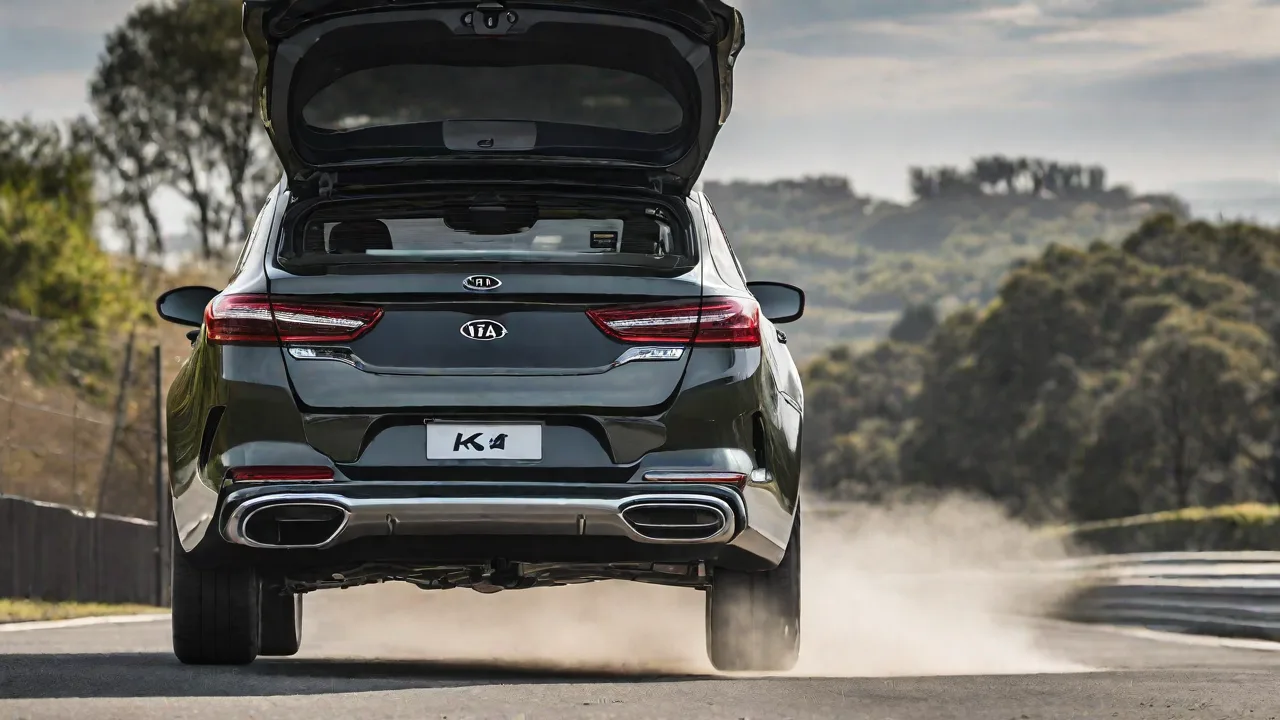
Kia K5’s Rear Suspension Type and Its Effect on Ride Comfort
The Kia K5 is known for its stylish design and comfortable ride. One of the key factors contributing to its ride quality is the type of rear suspension it uses. Understanding this component can help drivers appreciate how their vehicle handles different road conditions.
Types of Rear Suspension Systems
Rear suspension systems in vehicles generally fall into two main categories: independent and non-independent suspensions. Each type affects ride comfort and handling differently.
Independent Rear Suspension
The Kia K5 features an independent rear suspension system. This setup allows each wheel to move independently of the other, which helps absorb bumps and road irregularities more effectively. As a result, passengers experience a smoother ride, especially on uneven surfaces.
Non-Independent Rear Suspension
Non-independent suspensions, such as the solid axle, connect the wheels directly. This design is typically found in trucks and older vehicles. It tends to provide better durability and load-carrying capacity but can lead to a rougher ride compared to independent systems.
Impact on Ride Comfort
The Kia K5's independent rear suspension significantly enhances ride comfort. Drivers and passengers notice fewer jolts and vibrations when driving over potholes, speed bumps, or rough roads. This system also improves handling and stability, making the vehicle feel more composed during cornering.
In contrast, vehicles with non-independent suspensions may transmit more road imperfections to the cabin, reducing overall comfort. For daily commuting and long drives, the K5's suspension system offers a more pleasant experience.
Conclusion
The Kia K5's use of an independent rear suspension plays a vital role in delivering a smooth and comfortable ride. This feature not only improves passenger comfort but also enhances vehicle handling, making the K5 a popular choice among those seeking both style and comfort on the road.