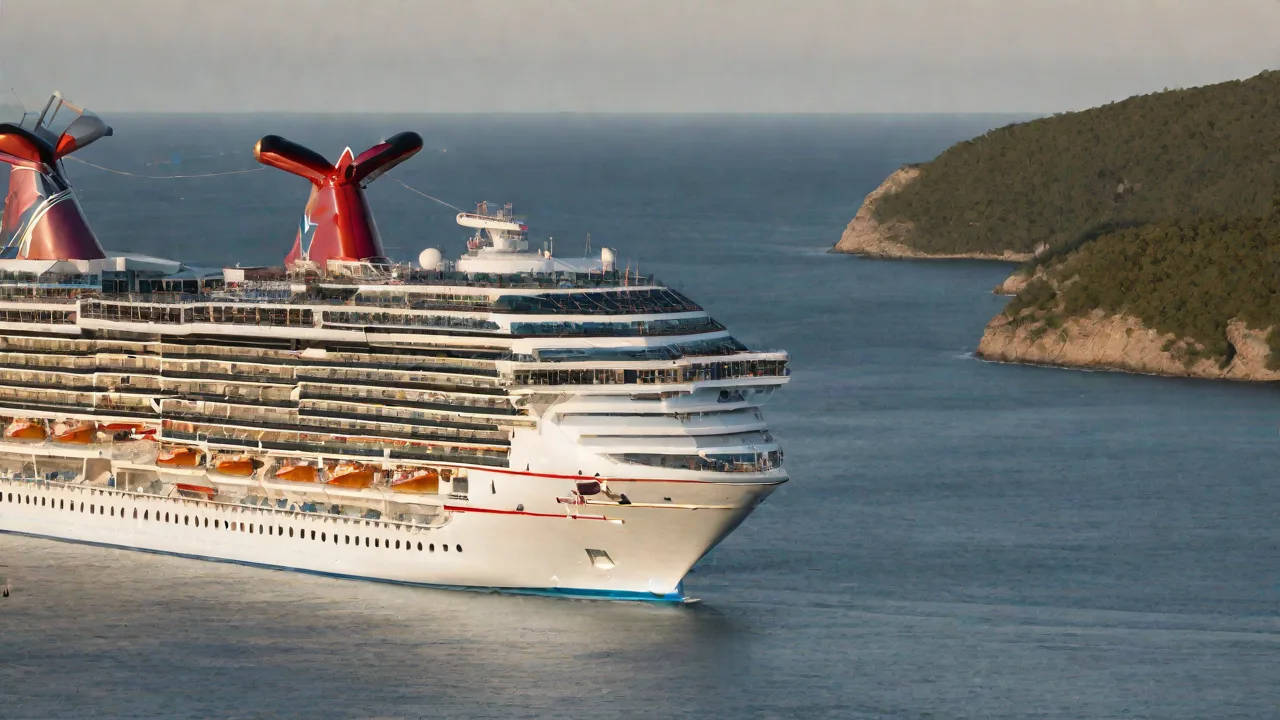
A Side-By-Side Comparison of Carnival’s Cruise Ship Sizes and Passenger Capacities
Carnival Cruise Line is one of the largest and most well-known cruise operators in the world. Over the years, it has expanded its fleet with ships of various sizes and passenger capacities. This article provides a side-by-side comparison of some of Carnival’s most notable ships, highlighting their sizes and how many passengers they can accommodate.
Overview of Carnival’s Fleet
Carnival’s ships range from smaller, more intimate vessels to massive floating cities. The size of a cruise ship is typically measured in length, gross tonnage (GT), and passenger capacity. Understanding these metrics helps appreciate the scale and capabilities of each ship.
Comparison of Key Ships
- Carnival Mardi Gras: The newest and largest in the fleet, it measures approximately 1,130 feet in length and has a gross tonnage of around 181,000 GT. It can carry up to 6,500 passengers.
- Carnival Horizon: Length of about 1,055 feet, with a gross tonnage of 133,500 GT. Passenger capacity is approximately 4,900.
- Carnival Vista: Similar in size to Horizon, measuring 1,055 feet long and with a gross tonnage of 133,500 GT. It accommodates around 4,900 passengers.
- Carnival Dream: Slightly smaller, at 1,053 feet in length, with a gross tonnage of 130,000 GT. It can hold about 4,000 passengers.
- Carnival Spirit: One of the smaller ships, at 964 feet long and 86,000 GT, with a passenger capacity of approximately 2,680.
Understanding Ship Sizes and Capacities
The size of a cruise ship directly impacts its passenger capacity and onboard amenities. Larger ships like the Mardi Gras offer more entertainment options, restaurants, and activities, but they also require larger ports for docking. Smaller ships like the Spirit provide a more intimate experience, often appealing to travelers seeking a quieter voyage.
Implications for Passengers and Crew
Passenger capacity influences the type of experience onboard. Bigger ships tend to have more diverse entertainment and dining options, while smaller ships may offer a more personalized service. Crew size also scales with ship size, affecting the level of service and available activities.
Conclusion
Carnival’s fleet showcases a wide range of ship sizes and passenger capacities, catering to different preferences and travel styles. Whether you prefer the bustling environment of a mega-ship like Mardi Gras or the intimacy of a smaller vessel like Spirit, Carnival offers options for every traveler.